For decades, organizations competed on price, quality, expertise, and efficiency.
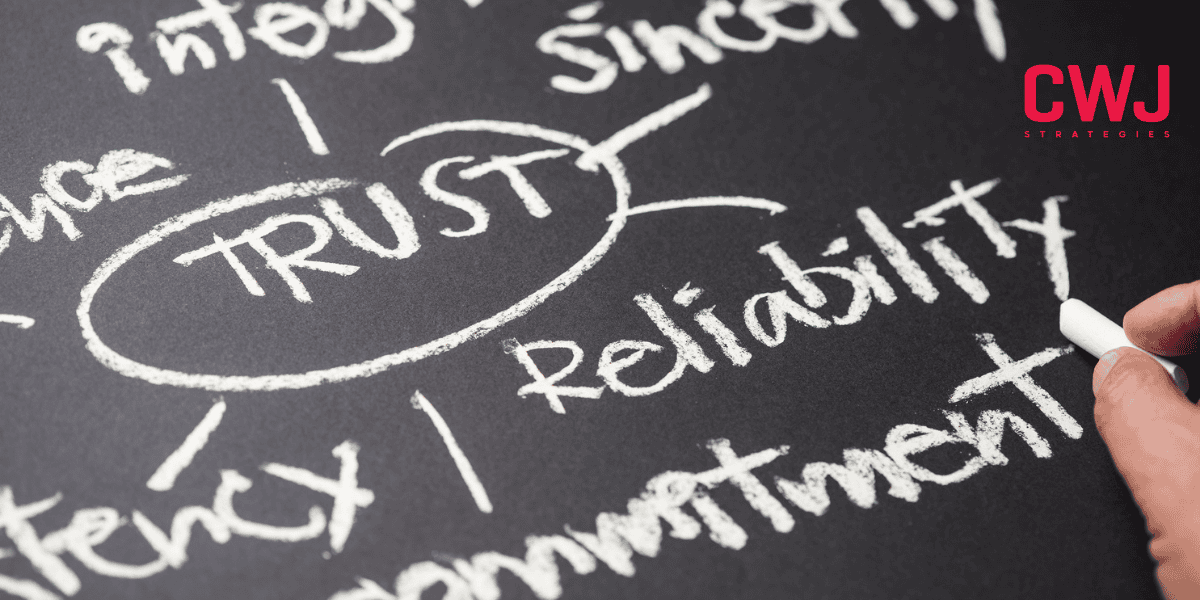
Those things still matter, but another asset is becoming just as important: Trust.
We’re living in an era of constant information, competing narratives, and growing skepticism. Every decision is scrutinized, and misinformation abounds. Organizations are expected to be more transparent. Leaders are asked to explain not only what they’re doing, but why.
In this environment, trust has become an economic asset.
It influences whether projects move forward.
Whether employees embrace change.
Whether communities support investment.
Whether customers stay loyal.
In other words, trust doesn’t just shape perception; it shapes what organizations are actually capable of accomplishing.
Organizations in the Trust Economy Understand
- Trust enables execution. Organizations with credibility spend less time overcoming resistance and more time moving forward. Without trust, many projects come to a screeching halt.
- Transparency reduces uncertainty. People don’t expect perfection. They expect honesty, clarity, and consistency.
- Relationships are a strategic infrastructure. Strong relationships create resilience when difficult decisions must be made.
The takeaway? Every organization now operates in the Trust Economy. Leaders who intentionally invest in credibility, relationships, and transparency will have greater freedom to make decisions, navigate change, and achieve meaningful results.