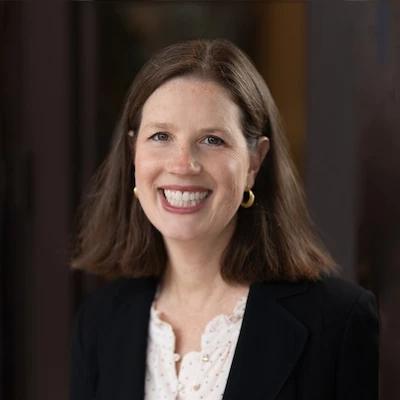
By Laura Jackson
Local government takes many forms. We elect city councils, school boards, and county commissioners. But there’s another layer (quiet, powerful, and often overlooked) that many citizens don’t even know exists: groundwater conservation districts.
These districts, known as GCDs, are local bodies created to manage underground water and protect aquifers by balancing use with conservation, and by making rules to keep wells flowing today and in the future. Their boards are created by the Legislature and filled either through local elections or by appointments from county commissioners courts, city councils, or other local entities. They set rules, hold hearings, and issue permits. Yet their meetings rarely make the paper, and their elections (when held) draw only a handful of voters.
Despite their low profile, GCDs hold the keys to our future and the future of generations to come. Texas operates under what’s known as the “rule of capture,” which allows landowners to pump as much water as they want from their land. That makes GCDs the only real guardrail between responsible use and reckless depletion. Their decisions determine whether rural families keep water in their wells, whether farmers can irrigate their crops, and whether towns have backup supplies in the next drought.
Case in point: the Neches & Trinity Valleys Groundwater Conservation District. A Dallas-based investment firm, Conservation Equity Management, has applied for a permit with this East Texas GCD to drill more than 40 industrial wells into the Carrizo-Wilcox Aquifer, which spans 66 counties, stretching from the Louisiana border all the way to Mexico. The company’s stated goal is to pump and sell up to 15.9 billion gallons of water each year on the open market.
Local residents and elected officials, led by State Representative Cody Harris, are pushing back. They warn the project could drain the aquifer and leave East Texans dry. Harris filed a bill this summer to impose a temporary moratorium until the state could study how much water the aquifer could actually sustain being pumped out, but the bill did not pass. So for now, the decision rests solely with the local GCD.
So what does all this mean for ordinary citizens like you and me? It means we have a chance, and a responsibility, to get involved. If you live in East Texas, this GCD decision affects you directly. Individual wells could run dry or require costly drilling. Our agriculture industry could face water shortages or higher pumping bills just to keep its crops alive. And in a drought, when lakes run low, cities that rely on surface water may turn to groundwater, only to find the aquifer already under stress.
That’s why now is the time to pay attention, educate yourself, and take action. Regional groups are already engaging with the Neches & Trinity Valleys GCD: learn who they are and what they’re doing.
Advocating locally has far more impact on your daily life than almost anything happening at the state or federal level. In this case, the most critical decisions will be made in places like Palestine and Athens, not Austin and Washington, DC.
We can’t afford to ignore local government. Our future is worth the fight.
This op-ed was written by Laura Jackson, Ph.D., and originally published by Tyler Morning Telegraph.
Laura Jackson is a partner at CWJ Strategies and is a seasoned strategist with over 15 years of experience leading major, multi-million dollar strategic communication efforts in the business, political, and education sectors.